
Health & Wellness / Cons
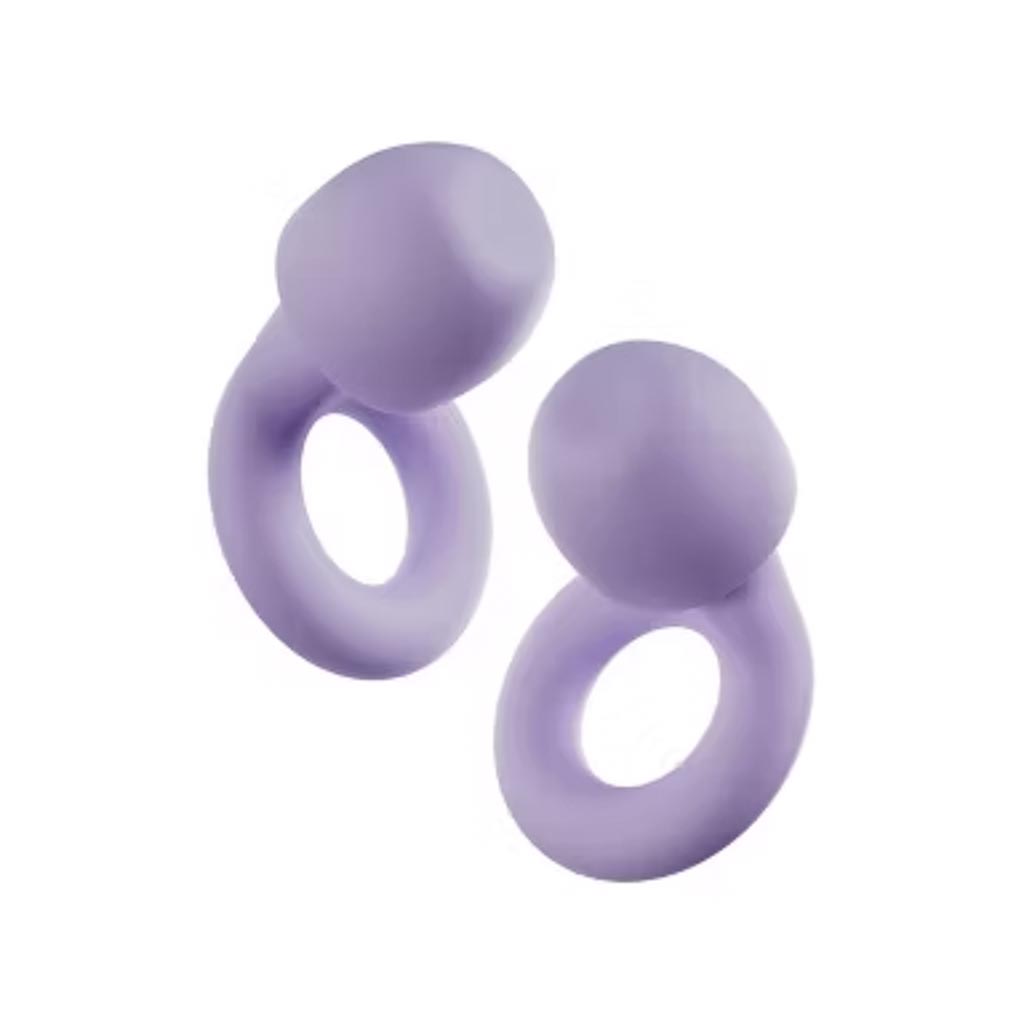
Five phases. A winning formula found fast. Loop came in with strong creative instincts and an account ready to scale — VisCap ran the angles, tested the formats, and kept doubling down on what worked until the numbers made it obvious.
Most people don't think about hearing damage until they already have it. Ringing after a night out. Asking people to repeat themselves. Sensitivity to sounds nobody else seems to notice. That was the entry point — not "protect your hearing," but naming what people were already experiencing and didn't have a word for.
Concerts and festivals. Up to 27 dB of protection, and the music still sounds good. The angle wasn't safety gear — it was leaving the show without the ringing. DJ footage, earplugs going in, concert crowd. The creative made it feel like something the cool people were already doing.
Sleep. A snoring partner. A car alarm. A dog jumping into bed at 3am. Loop Dream showed up as the fix for the kind of noise that shouldn't wake you up — but does. Simple selfie-style in bed, no overproduction, exactly the format the audience was already watching.
Everywhere else. Crowded conversations. Long flights. Working from a coffee shop that got too loud. The bag-spill hook — earplugs scattered across the floor next to a "save up to 20% on bundles" printout — summed it up cleaner than any script could: there's one for every situation, including just a Wednesday.
The best-performing ads led with a scene the viewer already knew. Foam earplugs killing the sound. Lying awake at 3am. Trying to focus while everything around you is too loud. Loop came in second — once the viewer had already nodded.
From there, the same concept got tested across entry points. Green screen index card delivery versus straight POV footage. Single-product focus versus the full lineup. Trending audio with no voiceover at all versus scripted copy with on-screen text. The gap between a $6.40 CPA and a breakeven ad was usually just the first five seconds.
What kept performance moving across phases wasn't finding one thing that worked and repeating it. It was building enough variety to know when something stopped working — and already having the next angle ready.